🇧🇪Belgiumvs🇪🇬Egypt
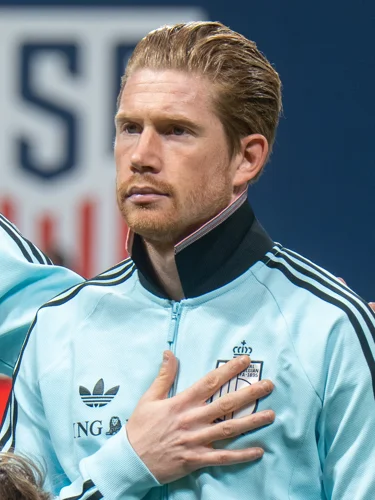
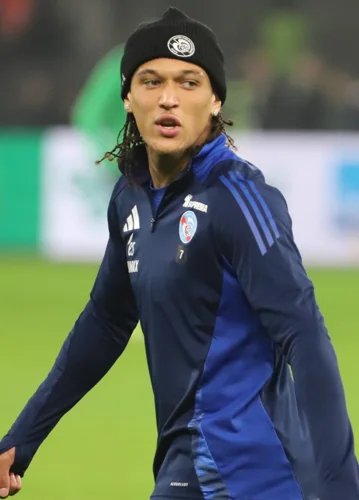
Belgium enter as the more likely winner on the market edge and with the stronger qualifying attack, scoring **29 goals in 8 qualifiers** and carrying a **60.2%** pre-match win probability, while Egypt’s upset chance is only **17.8%**; their latest meeting in June 2026 finished **1-1**, with Belgium holding **53% possession** and **15 shots to 14**. Belgium’s most likely shape is a possession-heavy **4-2-3-1/4-3-3** around **Kevin De Bruyne** as the primary chance-creator, versus Egypt’s more reactive, compact block built to spring **Ibrahim Adel**, **Mostafa Ziko**, and **Haissem Hassan** in transition. The key duel is De Bruyne versus Egypt’s midfield screening: if Belgium’s No. 10 gets time between the lines, their shot volume should rise above the **15-shot** baseline from the last meeting, but if Egypt can force him wide and keep Belgium’s attacks to crosses, the game stays in draw territory. Belgium’s second decisive edge is around their forwards and overloads—against Egypt in June, Belgium’s equalizer came after **Romelu Lukaku’s** introduction, which directly increased pressure and forced the **Mohamed Hany own goal**; that suggests late-box occupation is a major weapon even when open-play finishing stalls. Egypt’s best route is set pieces and counters: they already showed they can strike first, and in a low-margin game, one early transition goal plus disciplined rest-defense could offset Belgium’s superior depth and territorial control. Statistically, this decides on **Belgium converting possession into shots on target** versus Egypt winning the turnover battle; if Belgium turn their **29-goal qualifying attack** into sustained box entries, they’re the more likely side to edge it, but if Egypt keep the match at roughly **14-15 shots total** again and generate one high-value break, the draw/upset remains live.