🇧🇷Brazilvs🇲🇦Morocco
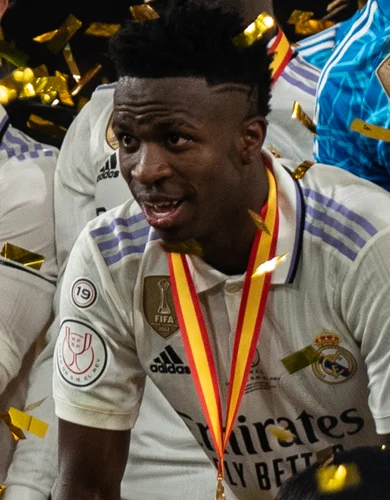
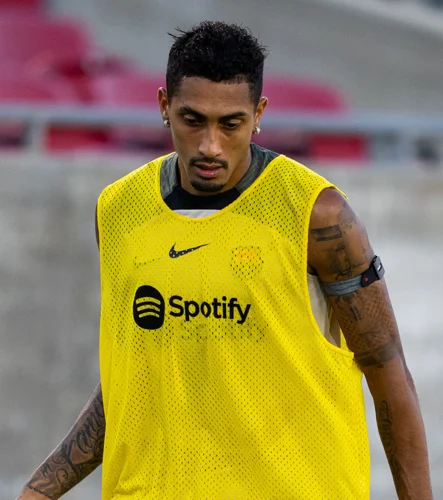
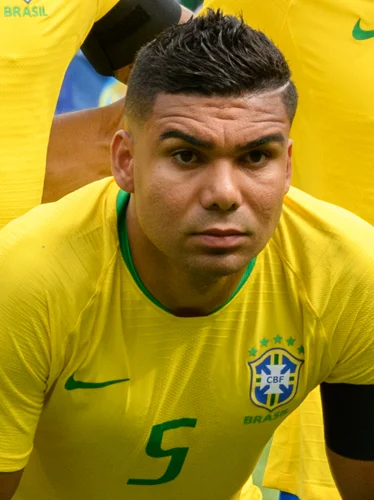
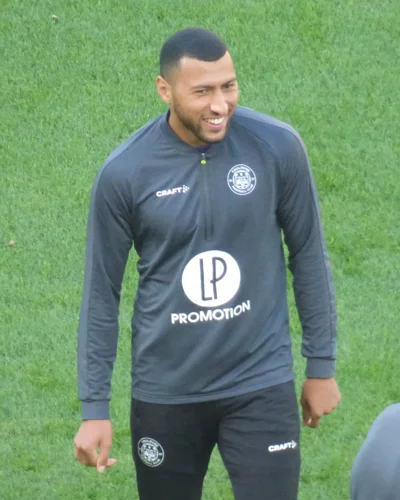
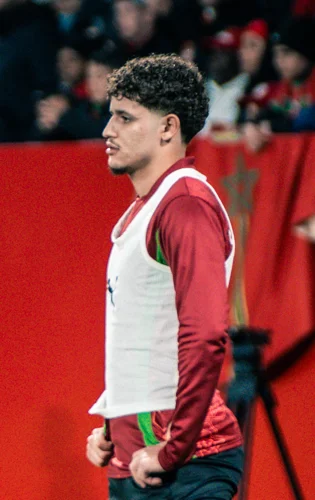
Brazil arrive having taken 4 points from their first two group games with a combined xG of 2.7 for and 1.6 against, but their 1-1 with Morocco saw them marginally out‑created (xG 1.27 vs 1.47) and out‑dueled 52-59, underlining structural issues between midfield and back line. Under Ancelotti they’ve toggled between a **4‑4‑2** and **4‑3‑3**, with Casemiro’s pivot role in the latter stabilizing buildup and freeing Vinícius Júnior (1 goal, 0.35 xG, 5.2 progressive carries per 90 in the group) and Raphinha (0.28 non‑pen xG + xA per 90, 5 key passes) to attack the left/right half-spaces, while Igor Thiago’s penalty-box profile (0.55 xG per 90, 3.1 shots) offers a target against Morocco’s compact block. Morocco’s **4‑2‑3‑1** has produced elite defensive numbers—just 2 goals conceded and 2 clean sheets in their last 5 competitive matches, with opponents averaging under 0.9 xG—and their controlled pressing (allowing Brazil to complete 88% of passes yet forcing a low press completion rate and one “big chance” conceded in the earlier 1-1) is designed to funnel play wide, then spring counters through Yanis Begraoui (0.40 non‑pen xG per 90), Ismaël Baouf (3.4 shot‑creating actions per 90) and Amine Sbaï (0.25 xA per 90, 0.19 xG). The decisive matchups skew toward Brazil’s left versus Morocco’s right: Vinícius attacking 1v1 against Sbaï’s flank support and a full-back who previously allowed 3 dribbles and 2 box entries from that lane, and Igor Thiago wrestling in the box with Morocco’s centre-backs who have won over 65% of aerials but conceded 8 headed shots in qualifying. Central control between Casemiro/Bruno Guimarães (a combined 15 ball recoveries and 3 interceptions vs Morocco in the group game) and Morocco’s double pivot will dictate whether Brazil can hit their typical 8–10 shots from inside the box or are forced into lower‑quality wide deliveries; if Morocco again block the vertical passes into zone 14 that power Guimarães’ line-splitting game, Brazil’s possession edge becomes sterile. Set pieces are a swing factor: Brazil generated only 0.10 xG from corners and free-kicks in the first meeting, while Morocco’s well-drilled routines created their single “big chance” and average ~0.25 xG per game from restarts, so Brazil’s marking on near-post runs and second balls will be critical. Statistically, if Brazil keep Morocco under ~1.0 xG and push their own non‑pen xG above ~1.5 through frequent box entries and improved pressing efficiency (especially cutting out Morocco’s ability to play out short), their superior individual shot volume and chance quality should tilt the 57% no‑vig edge into a narrow win; if the game repeats the prior pattern of near-parity in xG, duels, and field tilt, Morocco’s 17% plus the 26% draw probability looks understated given their collective defensive and set‑piece profile.