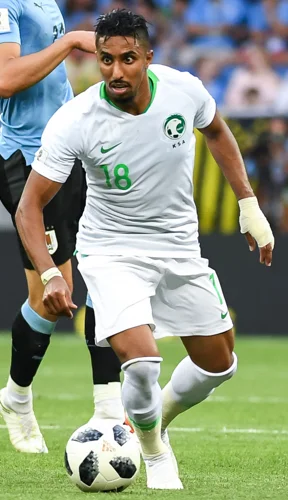
Cape Verde’s edge is in *directness*: their 4-3-3 is built to spring quick counters and attack wide spaces through Jovane Cabral, Sidny Cabral and Garry Rodrigues, especially if Saudi Arabia’s full-backs get too high. Saudi Arabia, by contrast, should try to control the second ball and use Salem Al-Dawsari as the main creative outlet, with Khalid Al-Ghannam and Musab Al-Juwayr driving the transitions and pressing game. The key battle is Cape Verde’s pace against Saudi Arabia’s compact 4-2-3-1 shape: if Cape Verde can isolate Saudi Arabia’s outside defenders and break the first press, they can create the cleaner chances. Saudi Arabia’s best route is to keep the game narrow, win territory through aggressive counterpressing, and funnel play into Al-Dawsari’s combinations rather than a track meet. With the market so close, the game likely turns on *who controls the transition moments* and set-piece details rather than sustained possession. Cape Verde have the sharper pure counterpunch, but Saudi Arabia’s structure and pressing give them enough to keep it tight if they deny service to the wide attackers early.