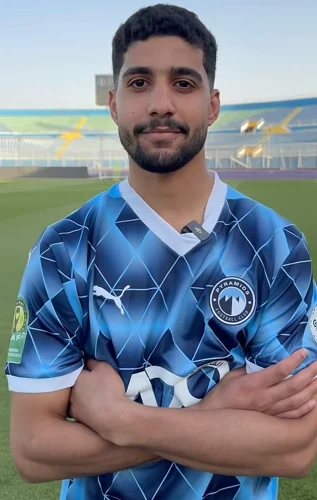
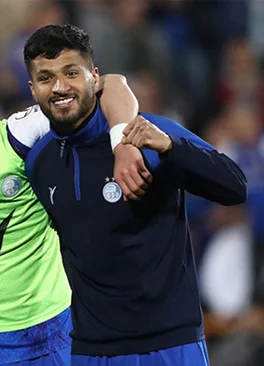
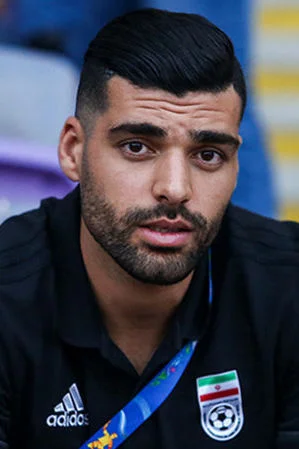
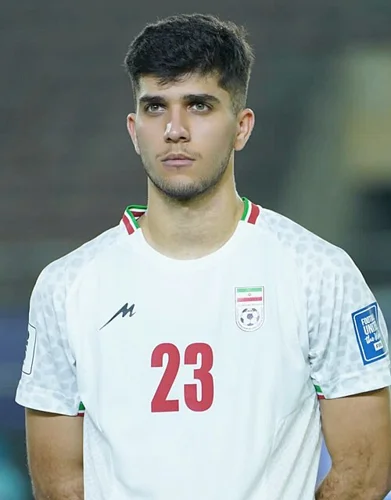
Egypt’s edge is in the **shape of the game**: they’re likely to sit compact, absorb pressure, and attack in fast vertical bursts, which fits a team built for transitions rather than long spells of possession. Iran should have more of the ball between the lines, with **Mehdi Taremi** as the main reference and **Mohammad Mohebi** and the wide attackers tasked with creating the first clean pass into the box, but they also lean on controlled transitions and are at their best in tight, low-margin matches. The key battle is Egypt’s organized back line and counter outlet against Iran’s attempt to pin them deep and feed Taremi early; if Egypt’s wide runners—**Ibrahim Adel**, **Mostafa Ziko**, **Haissem Hassan**—can stretch Iran enough to break their compact block, Egypt’s transition threat becomes decisive. The market’s slight lean to Egypt and a fairly live draw fit a match that is more likely to be decided by **one conversion, one set piece, or one defensive lapse** than by open, end-to-end play.