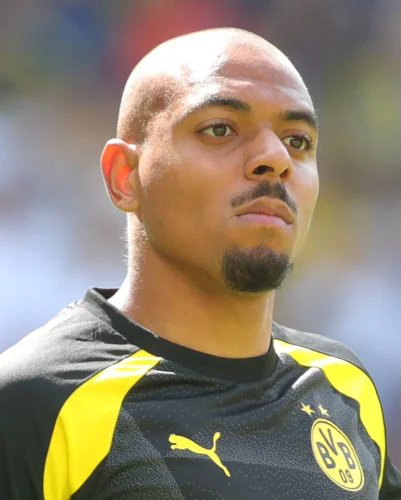
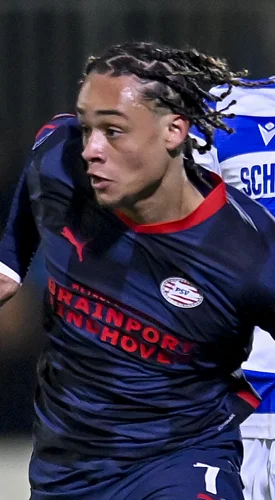
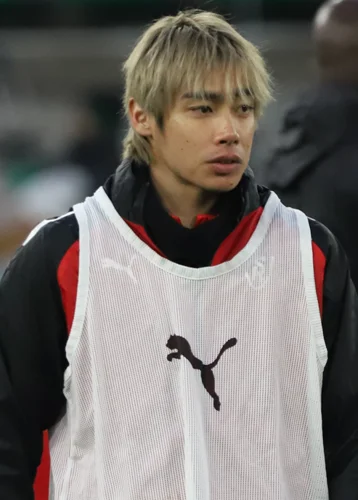
Netherlands should have the initiative, using a controlled 4-2-3-1/4-3-3 look to pin Japan back and create chances from wide service, half-spaces, and set pieces, while Japan’s 3-4-2-1 is built to absorb pressure, press in bursts, and break quickly into space. The key battle is Netherlands’ front line and second-wave runners against Japan’s back three and wing-backs, especially if Donyell Malen and Brian Brobbey can attack the channels behind a high Japanese line while Jan Paul van Hecke handles the rest-defense duties. Japan’s best route is to turn the game into transitions, using Daizen Maeda’s running and Koki Ogawa/Keisuke Goto as direct outlets to punish any turnovers after Dutch possession advances too high. With the market making Netherlands the slight favorite but leaving the draw and Japan close behind, the match likely hinges on whether the Dutch can convert territorial control into a clean first goal before Japan’s counterattacks and compact block settle in.