🇬🇭Ghanavs🇵🇦Panama
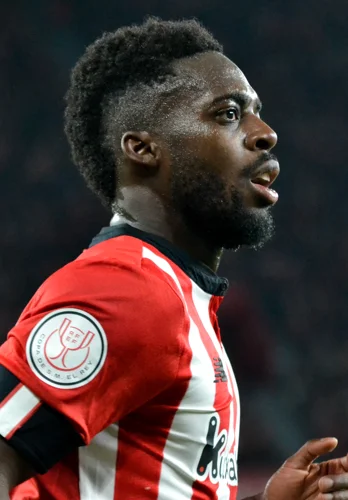
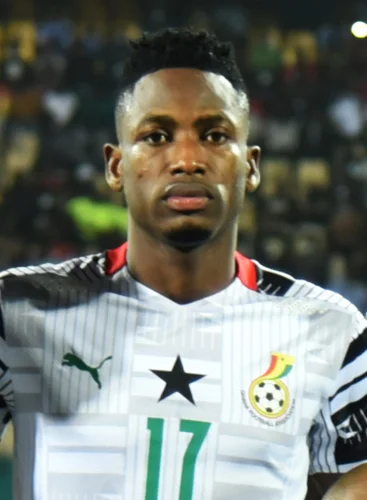
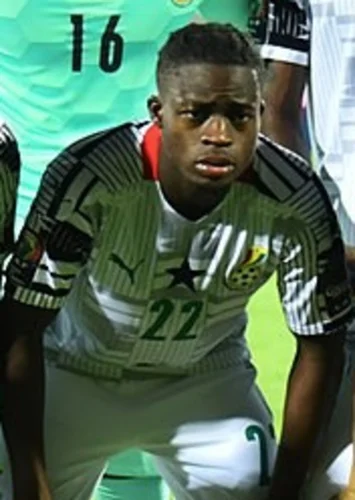
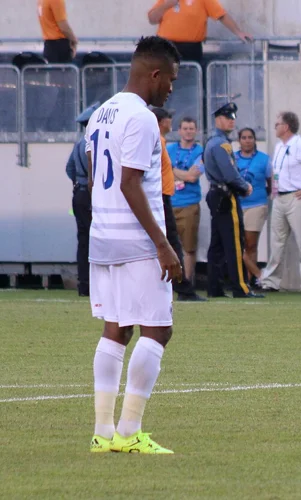
Ghana’s opener win over Panama was **1-0 on 1.25–0.75 xG**, with **Caleb Yirenkyi** scoring in the **95th minute**; that gives Ghana a concrete baseline of controlled, low-event efficiency rather than chance volume dominance. Panama, meanwhile, came in as the more established side in the matchup by ranking context and qualifying profile, with reporting that they were **unbeaten through qualifying** and had enough territorial control to hold **55% attacking possession** in the match flow data before being punished late. Stylistically this shapes up as Ghana’s more pragmatic, transition-heavy structure against Panama’s more possession-leaning but compact 4-2-3-1/4-3-3 type of build, with the deciding question being whether Panama can convert field position into shots before Ghana’s block absorbs and counters. The key duel is **Iñaki Williams vs Panama’s fullbacks/center-backs**: Ghana’s best direct outlet is Williams attacking space behind the line, while Panama’s best answer is to keep the game in front of them and prevent early service into the box; in a one-goal game, even **1–2 successful through-balls or carries into the final third** can swing expected goals sharply. The second matchup is **Cecilio Waterman and José Fajardo vs Ghana’s center-backs**, because Panama’s finishing has to come from either box occupancy or second-ball chaos rather than sustained possession; if Ghana deny central touches and keep Panama to low-quality looks, Panama’s attack becomes dependent on set plays and wide deliveries. A third lever is **Christopher Baah vs Édgar Bárcenas** on the right/half-space: Baah’s ability to win territory in transition versus Bárcenas’ chance creation and final-third delivery could decide who spends more time defending their own box. Set pieces matter because this profile is too tight to expect open-play separation: Panama’s path is to generate corners, free kicks, and recycled crosses, while Ghana’s path is to attack dead balls and counters off Panama’s rest defense; in a match with just **1.25 total xG for Ghana and 0.75 for Panama**, even a single set-piece chance can be decisive. The statistical decider is likely **shot quality, not shot count**: whichever team gets above roughly **1.0 xG** first is positioned to win, and Ghana already showed they can survive on lower tempo and one late high-value chance. Head-to-head context is thin, but the most recent meeting has already shown the baseline matchup is narrow and controlled rather than open, with Ghana’s late finish tipping a game that sat within a single-xG band for most of the night.